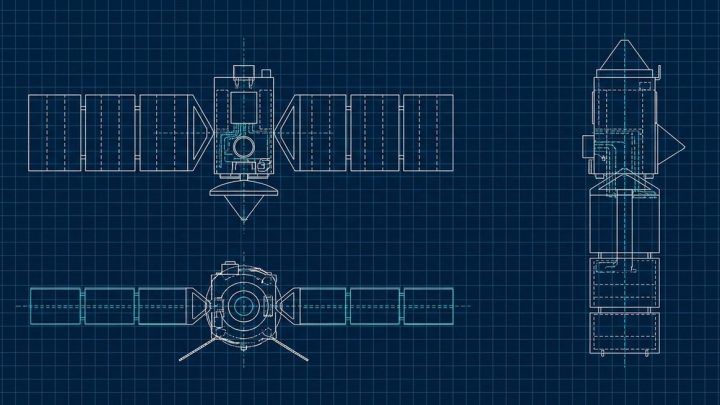
US 4027494
CPC Classification
H — Electricity
Electricity. Basic electric elements such as cables, resistors, semiconductor devices and batteries; the generation, conversion and distribution of electric power; and electronic circuitry and communication technique, including transmission, telephony and broadcasting. Section G measures and computes; section H generates, carries and switches.
Reading this classification
Patent classification exists because keyword search fails in a specific way on patents: the same invention is described in different words by different drafters, sometimes deliberately. A class is assigned by an examiner on the basis of what the invention is, so it groups filings that share no vocabulary at all. Finding the right class is usually a faster route into a field than any search term.
The Cooperative Patent Classification is the scheme in current use, developed jointly by the USPTO and the European Patent Office. It divides all of technology into nine sections, each subdivided down to fine groups. A code such as B64C29/0008 reads as section B, class 64, subclass C, then the specific group. This archive browses at section level, because the nine section titles are official and unambiguous while subclass titles are not something we hold — inventing plausible ones would corrupt exactly what a reference archive exists to provide. Full codes are printed on each record.
One document commonly carries several codes. Classification is not a partition: an optical measurement technique used on a chemical process legitimately belongs in more than one place, so finding a patent under one section does not mean the others are irrelevant.
Classification is applied by the office rather than by the applicant, which is what makes it more reliable than a title for finding related work. It can also shift: schemes are revised and documents reclassified in bulk, so a class cited in older literature may no longer exist under that name.
Classified browsing is powerful and incomplete. An application whose disclosure spans several fields may be classified narrowly by its claims and missed by a search of the others. Serious prior-art work combines class browsing with keyword and citation searching, each catching what the others miss.
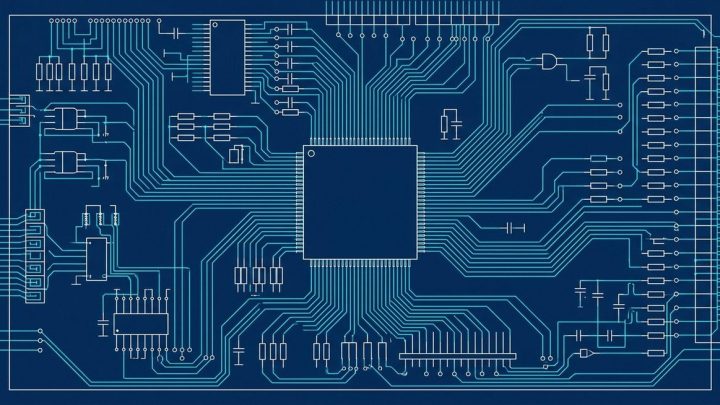
US 4068461
US Patent 4068461: Digital electronic alarm watch
US 4277785
US Patent 4277785: Radio control circuit with microprocessor
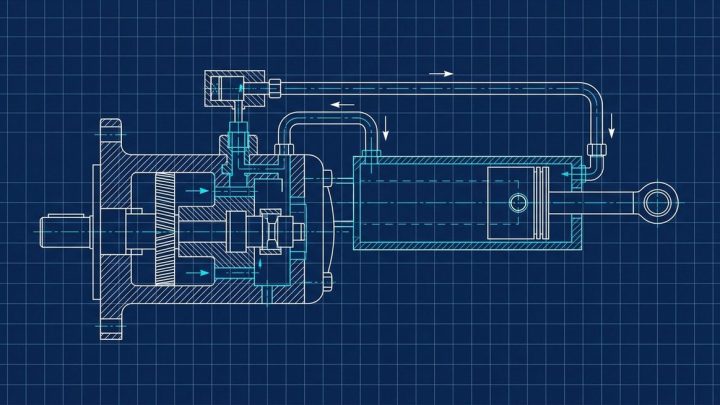
US 4583088
US Patent 4583088: Method and apparatus for controlling access to a…
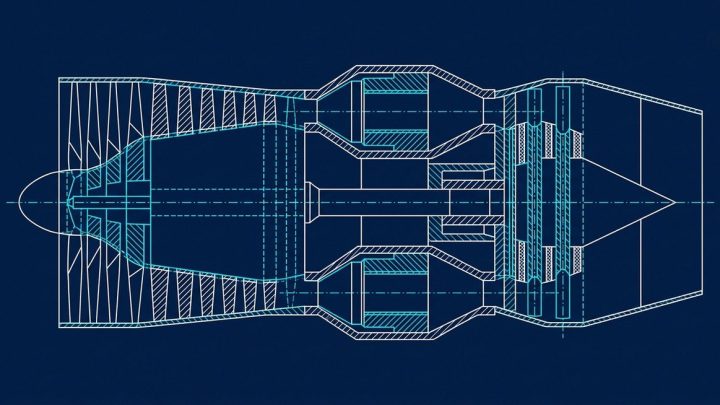
US 4792763
US Patent 4792763: Hot cathode ionization pressure gauge
US 5013683
US Patent 5013683: Method for growing tilted superlattices
US 5073930
US Patent 5073930: Method and system for receiving and distributing…
US 5310125
US Patent 5310125: Transformer coil winding apparatus for winding…
US 5341075
US Patent 5341075: Combined motor drive and battery recharge system
US 5373240
US Patent 5373240: Hot-cathode ionization pressure gauge including a…
US 5450500
US Patent 5450500: High-definition digital video processor
US 6018303
US Patent 6018303: Methods and means for image and voice compression
US 6144405
US Patent 6144405: Electronic picture stabilizer with movable…
US 6434377
US Patent 6434377: Procedure for the setup of an emergency call made…
US 6496502
US Patent 6496502: Distributed multi-link trunking method and…
US 6587729
US Patent 6587729: Apparatus for audibly communicating speech using…
US 6665413
US Patent 6665413: Infrasonic Helmholtz resonator
US 6841795
US Patent 6841795: Semiconductor devices employing at least one…
US 6841806
US Patent 6841806: Heterojunction thyristor-based amplifier
US 6849866
US Patent 6849866: High performance optoelectronic and electronic…
US 6853014
US Patent 6853014: Optoelectronic circuit employing a heterojunction…
US 6870207
US Patent 6870207: III-V charge coupled device suitable for visible…
US 6873273
US Patent 6873273: Photonic serial digital-to-analog converter…
US 6936839