US 6010405
Independent research archive
Search United States Patents, Inventors and Assignees
A reference-grade record of granted US patents — abstract, claims, filing and grant dates, named inventors and assignee, with a link out to the official document on every entry. Currently holding 387 patents, 425 inventor profiles and 120 assignee records.
Patents
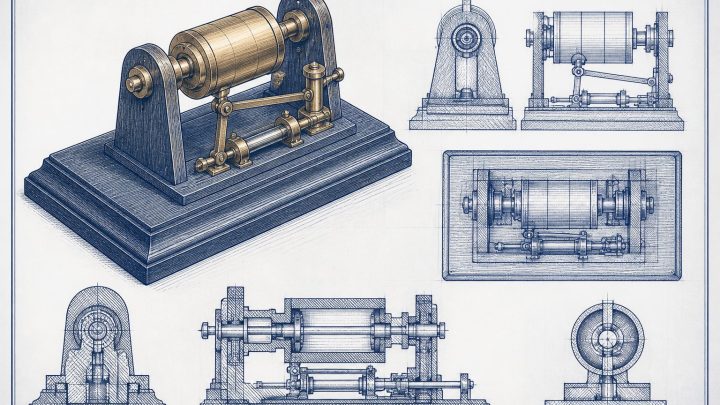
Browse all →Individual grant records with abstract, claims and classification.
Inventors
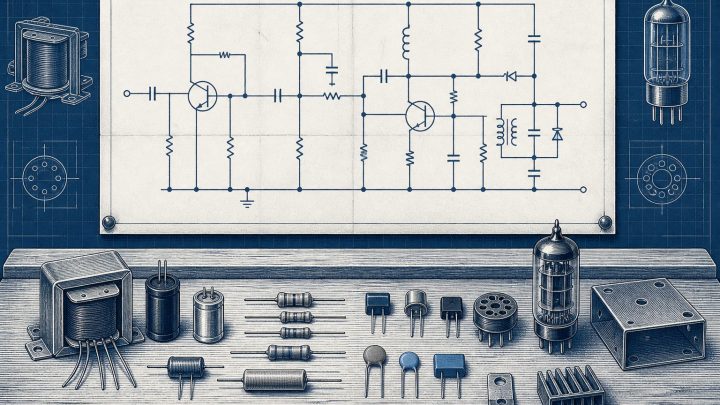
Browse all →Named inventors and the patents filed under their name.
Companies
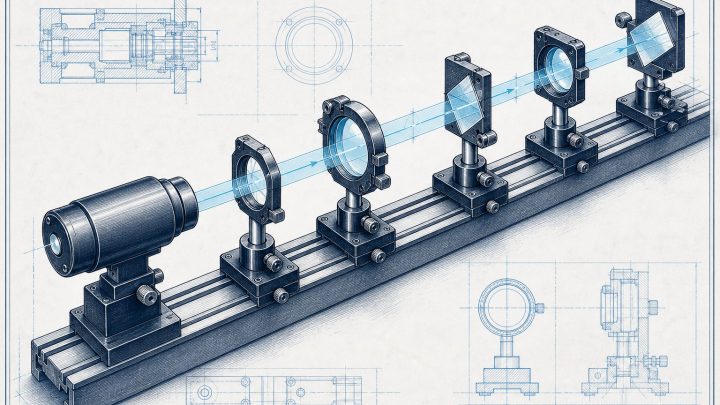
Browse all →Assignee organisations and their patent holdings.
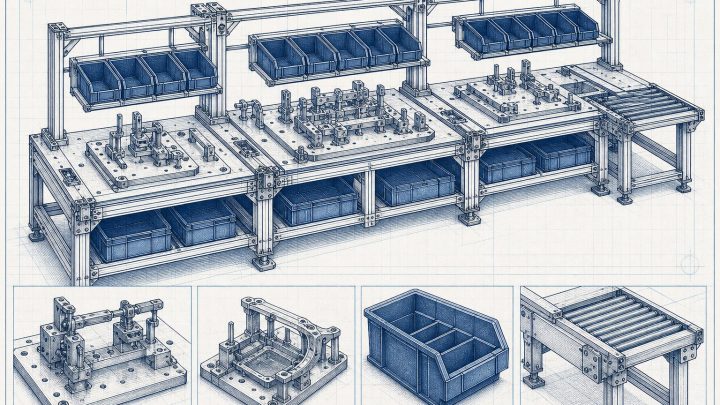
History of Invention
All articles →
Questions About This Archive
Is this the official USPTO database?
No. PatentGenius is an independent reference archive with no official standing and no connection to any patent office. Every record here links out to the full official document, which is the authoritative source. Nothing on this site is legal advice.
Where does the data come from?
Records are compiled from published United States patent documents and verified field by field against the official record. Where a field cannot be verified it is left empty rather than estimated — an incomplete record is more useful than a plausible-looking wrong one.
Why does a patent list an assignee that is not the inventor?
Inventors are the people who made the invention and must be natural persons. The assignee is whoever owned the right at the time of grant, usually an employer under an agreement signed long before the filing. The two fields answer different questions, which is why inventors and assignees are indexed separately here.
What does a patent number beginning with D or PP mean?
A D prefix marks a design patent, which protects the ornamental appearance of an article rather than how it works, and whose single claim is defined by the drawings. PP marks a plant patent, RE a reissue. Utility patents — the large majority — carry a bare number.
Does the archive cover every US patent?
No. It holds a compiled subset, and the listings show what is currently held rather than the complete corpus. A search that returns nothing here is not evidence that no such patent exists; the official databases are the place to establish that.