US 7556197
CPC Classification
G — Physics
Physics. Instruments and their use: measuring and testing, optics, photography, horology, signalling, computing and data processing, information storage, and nucleonics. This is where software-implemented inventions are generally classified, which makes it one of the most heavily populated sections in modern filings.
Reading this classification
Patent classification exists because keyword search fails in a specific way on patents: the same invention is described in different words by different drafters, sometimes deliberately. A class is assigned by an examiner on the basis of what the invention is, so it groups filings that share no vocabulary at all. Finding the right class is usually a faster route into a field than any search term.
The Cooperative Patent Classification is the scheme in current use, developed jointly by the USPTO and the European Patent Office. It divides all of technology into nine sections, each subdivided down to fine groups. A code such as B64C29/0008 reads as section B, class 64, subclass C, then the specific group. This archive browses at section level, because the nine section titles are official and unambiguous while subclass titles are not something we hold — inventing plausible ones would corrupt exactly what a reference archive exists to provide. Full codes are printed on each record.
One document commonly carries several codes. Classification is not a partition: an optical measurement technique used on a chemical process legitimately belongs in more than one place, so finding a patent under one section does not mean the others are irrelevant.
Classification is applied by the office rather than by the applicant, which is what makes it more reliable than a title for finding related work. It can also shift: schemes are revised and documents reclassified in bulk, so a class cited in older literature may no longer exist under that name.
Classified browsing is powerful and incomplete. An application whose disclosure spans several fields may be classified narrowly by its claims and missed by a search of the others. Serious prior-art work combines class browsing with keyword and citation searching, each catching what the others miss.

US 7571344
US Patent 7571344: Ensuring data integrity in network memory
US 7583264
US Patent 7583264: Apparatus and program for image generation
US 7643028
US Patent 7643028: Image generation program product and image…
US 7646513
US Patent 7646513: Image processing device and method thereof
US 7729954
US Patent 7729954: Providing paid access to remote web service in an…
US 7729955
US Patent 7729955: Providing information regarding the use of web…
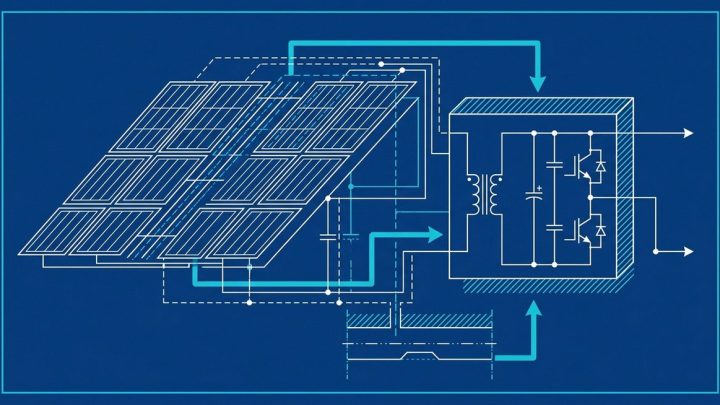
US 7739604
US Patent 7739604: Method and apparatus for managing windows
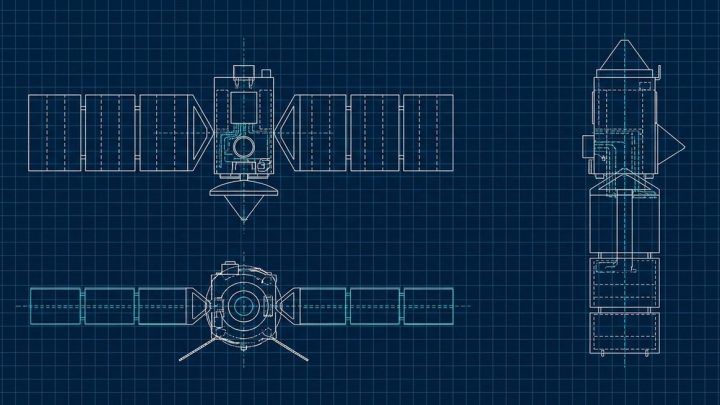
US 7791781
US Patent 7791781: Rapidly reconfigurable all-optical universal…
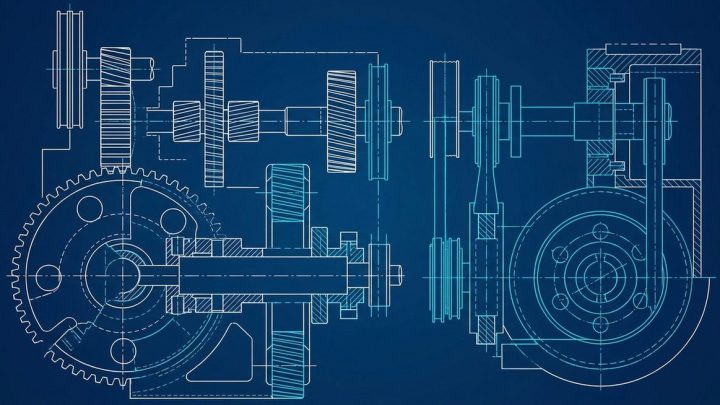
US 7797708
US Patent 7797708: Simulating actions on mockup business objects
US 7801771
US Patent 7801771: Providing configurable usage models for available…
US 7822295
US Patent 7822295: Image processing apparatus, image searching…

US 7831098
US Patent 7831098: System and method for visual searching of objects…
US 7868901
US Patent 7868901: Method and system for reducing memory bandwidth…
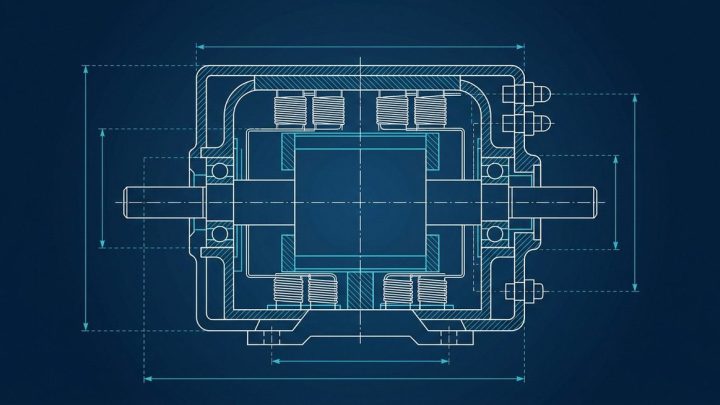
US 7908238
US Patent 7908238: Prediction engines using probability tree and…
US 7976204
US Patent 7976204: Illumination system and method for recycling…
US 7986140
US Patent 7986140: Systems and methods for RF magnetic-field vector…
US 7995350
US Patent 7995350: Component retention mechanism
US 7995892
US Patent 7995892: Low loss, high and low index contrast waveguides…
US 8032473
US Patent 8032473: Generalized reduced error logistic regression…
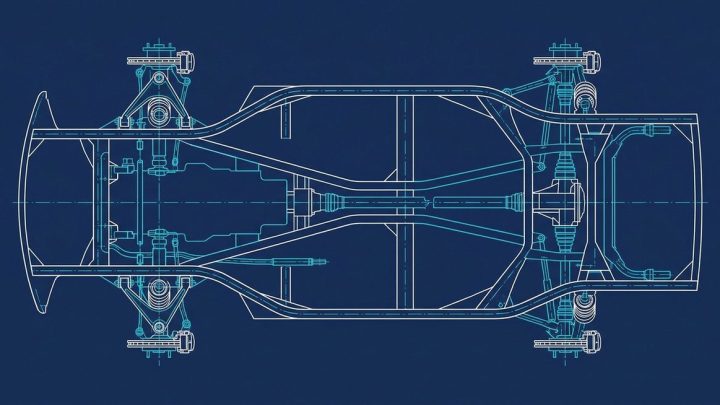
US 8049753
US Patent 8049753: Computer graphics methods and systems for…
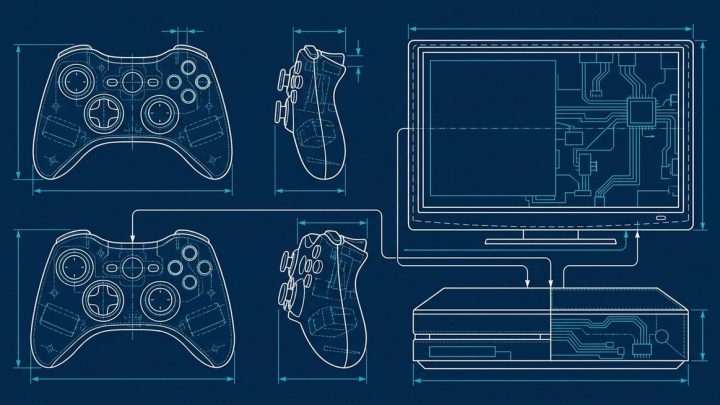
US 8062123
US Patent 8062123: Game system
US 8082329
US Patent 8082329: Method and system for presenting data over a…
US 8086604