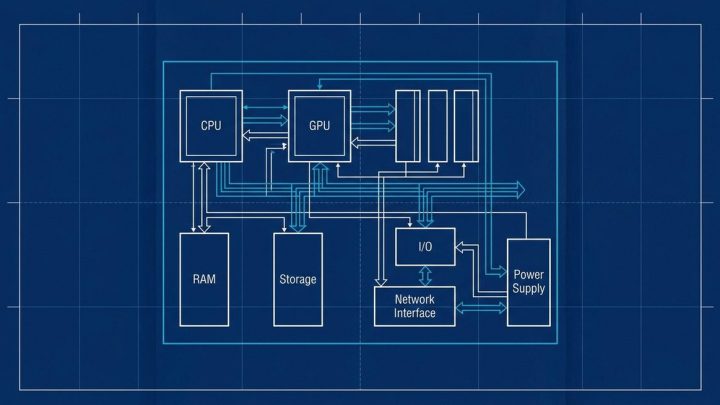
US 7225080
CPC Classification
G — Physics
Physics. Instruments and their use: measuring and testing, optics, photography, horology, signalling, computing and data processing, information storage, and nucleonics. This is where software-implemented inventions are generally classified, which makes it one of the most heavily populated sections in modern filings.
Reading this classification
Patent classification exists because keyword search fails in a specific way on patents: the same invention is described in different words by different drafters, sometimes deliberately. A class is assigned by an examiner on the basis of what the invention is, so it groups filings that share no vocabulary at all. Finding the right class is usually a faster route into a field than any search term.
The Cooperative Patent Classification is the scheme in current use, developed jointly by the USPTO and the European Patent Office. It divides all of technology into nine sections, each subdivided down to fine groups. A code such as B64C29/0008 reads as section B, class 64, subclass C, then the specific group. This archive browses at section level, because the nine section titles are official and unambiguous while subclass titles are not something we hold — inventing plausible ones would corrupt exactly what a reference archive exists to provide. Full codes are printed on each record.
One document commonly carries several codes. Classification is not a partition: an optical measurement technique used on a chemical process legitimately belongs in more than one place, so finding a patent under one section does not mean the others are irrelevant.
Classification is applied by the office rather than by the applicant, which is what makes it more reliable than a title for finding related work. It can also shift: schemes are revised and documents reclassified in bulk, so a class cited in older literature may no longer exist under that name.
Classified browsing is powerful and incomplete. An application whose disclosure spans several fields may be classified narrowly by its claims and missed by a search of the others. Serious prior-art work combines class browsing with keyword and citation searching, each catching what the others miss.

US 7233898
US Patent 7233898: Method and apparatus for speaker verification…

US 7276868
US Patent 7276868: Carbon-fiber laminate musical instrument sound…
US 7312788
US Patent 7312788: Gesture-based input device for a user interface…

US 7344859
US Patent 7344859: Recombinant methods for expressing a functional…
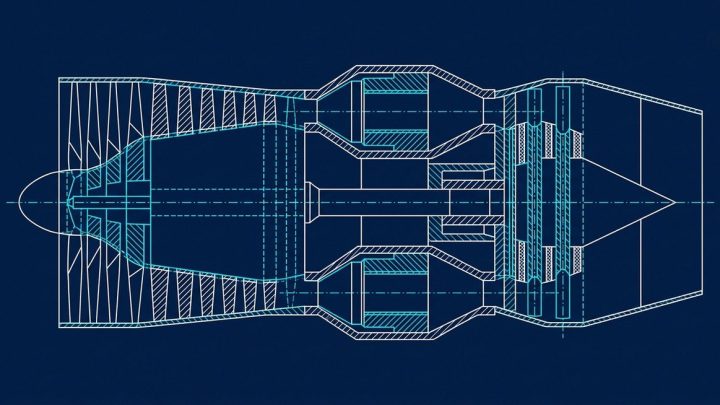
US 7346456
US Patent 7346456: Wellbore diagnostic system and method
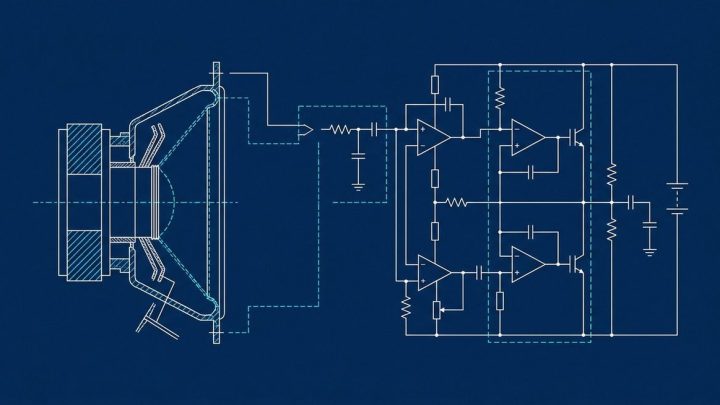
US 7356585
US Patent 7356585: Vertically extensible intrusion detection system…
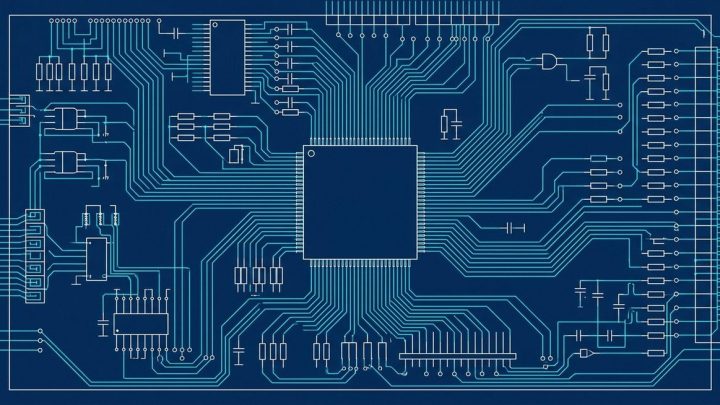
US 7376621
US Patent 7376621: Method and apparatus for conducting electronic…
US 7379566
US Patent 7379566: Optical flow based tilt sensor
US 7380055
US Patent 7380055: Apparatus and method in a cached raid controller…
US 7380115
US Patent 7380115: Transferring data using direct memory access
US 7417664
US Patent 7417664: Stereoscopic image picking up and display system…
US 7426720
US Patent 7426720: System and method for dynamic preloading of…
US 7433835
US Patent 7433835: Providing a marketplace for web services
US 7446250
US Patent 7446250: Stave construction method of drum manufacture
US 7447565
US Patent 7447565: Electronic alignment system
US 7462771
US Patent 7462771: No drill snare drum strainer adapter
US 7463553
US Patent 7463553: Underwater detection device
US 7467075
US Patent 7467075: Three-dimensional finite-element code for…
US 7476793
US Patent 7476793: Foster extension for flutes
US 7505913
US Patent 7505913: Method and system for customizing marketing…
US 7512656
US Patent 7512656: Voice chat system
US 7521623
US Patent 7521623: Music synchronization arrangement
US 7530693