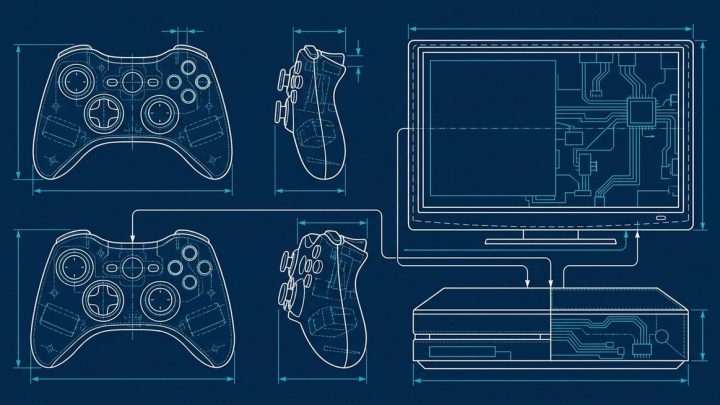
US 7488254
CPC Classification
A — Human Necessities
Human necessities. The broadest section by everyday reach: agriculture and animal husbandry, foodstuffs and tobacco, personal and domestic articles from clothing to furniture, and the whole of medical and veterinary science — preparations, devices, hygiene and life-saving equipment. If an invention is used on or by a person rather than on a material or a machine, it usually lands here.
Reading this classification
Patent classification exists because keyword search fails in a specific way on patents: the same invention is described in different words by different drafters, sometimes deliberately. A class is assigned by an examiner on the basis of what the invention is, so it groups filings that share no vocabulary at all. Finding the right class is usually a faster route into a field than any search term.
The Cooperative Patent Classification is the scheme in current use, developed jointly by the USPTO and the European Patent Office. It divides all of technology into nine sections, each subdivided down to fine groups. A code such as B64C29/0008 reads as section B, class 64, subclass C, then the specific group. This archive browses at section level, because the nine section titles are official and unambiguous while subclass titles are not something we hold — inventing plausible ones would corrupt exactly what a reference archive exists to provide. Full codes are printed on each record.
One document commonly carries several codes. Classification is not a partition: an optical measurement technique used on a chemical process legitimately belongs in more than one place, so finding a patent under one section does not mean the others are irrelevant.
Classification is applied by the office rather than by the applicant, which is what makes it more reliable than a title for finding related work. It can also shift: schemes are revised and documents reclassified in bulk, so a class cited in older literature may no longer exist under that name.
Classified browsing is powerful and incomplete. An application whose disclosure spans several fields may be classified narrowly by its claims and missed by a search of the others. Serious prior-art work combines class browsing with keyword and citation searching, each catching what the others miss.
US 7517371
US Patent 7517371: Flavored wood pellet with wood oil
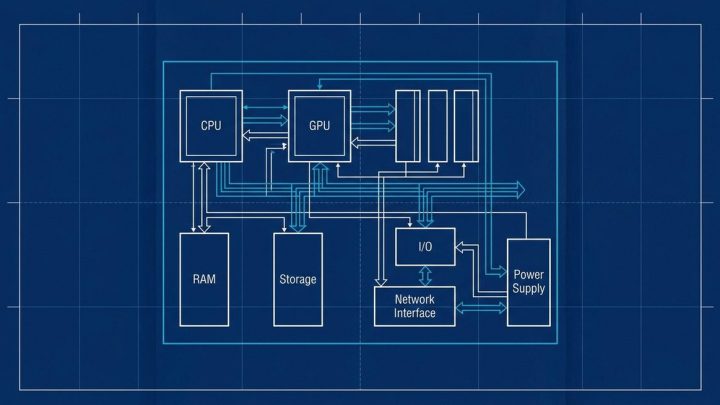
US 7540805
US Patent 7540805: Game device, game control method, program and…
US 7559841
US Patent 7559841: Pose detection method, video game apparatus, pose…
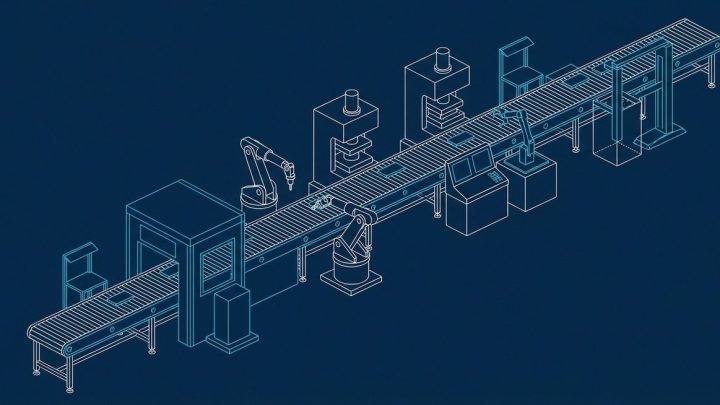
US 7573479
US Patent 7573479: Graphics processing device, graphics processing…
US 7582018
US Patent 7582018: Game control method
US 7614954
US Patent 7614954: Game image display control program, game device…
US 7618320
US Patent 7618320: Network game system, and game terminal device and…
US 7620686
US Patent 7620686: Control method for network system
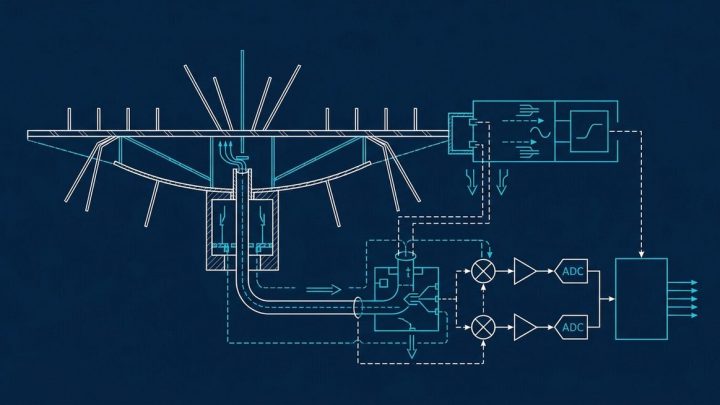
US 7786073
US Patent 7786073: Container for dietary supplement having improved…
US 7846457
US Patent 7846457: Cosmetic use of botulinum toxin for the treatment…
US 7850996
US Patent 7850996: Selenium-containing compositions and uses thereof
US 7871124
US Patent 7871124: Built-in baby seat
US 7919525
US Patent 7919525: Radiation protection by gamma-tocotrienol
US 7923552
US Patent 7923552: High yield method of producing pure rebaudioside A
US 7935096
US Patent 7935096: Percutaneous implant
US 8057397
US Patent 8057397: Navigation and imaging system sychronized with…
US 8062112
US Patent 8062112: Game information processing apparatus and game…

US 8067381
US Patent 8067381: Methods and compositions for increasing the…
US 8114626
US Patent 8114626: Yeast strain and method for using the same to…
US 8197807
US Patent 8197807: Nicotinamide riboside kinase compositions and…
US 8198319