US 7371205
CPC Classification
B — Performing Operations and Transporting
Performing operations and transporting. Covers the actions industry performs on things: separating and mixing, shaping metal and plastics, printing, and the whole of transport — land vehicles, railways, ships, aircraft — together with packaging, handling of thin material, and micro- and nano-structural technology. The unifying idea is a process or a machine acting on something, rather than the substance acted upon.
Reading this classification
Patent classification exists because keyword search fails in a specific way on patents: the same invention is described in different words by different drafters, sometimes deliberately. A class is assigned by an examiner on the basis of what the invention is, so it groups filings that share no vocabulary at all. Finding the right class is usually a faster route into a field than any search term.
The Cooperative Patent Classification is the scheme in current use, developed jointly by the USPTO and the European Patent Office. It divides all of technology into nine sections, each subdivided down to fine groups. A code such as B64C29/0008 reads as section B, class 64, subclass C, then the specific group. This archive browses at section level, because the nine section titles are official and unambiguous while subclass titles are not something we hold — inventing plausible ones would corrupt exactly what a reference archive exists to provide. Full codes are printed on each record.
One document commonly carries several codes. Classification is not a partition: an optical measurement technique used on a chemical process legitimately belongs in more than one place, so finding a patent under one section does not mean the others are irrelevant.
Classification is applied by the office rather than by the applicant, which is what makes it more reliable than a title for finding related work. It can also shift: schemes are revised and documents reclassified in bulk, so a class cited in older literature may no longer exist under that name.
Classified browsing is powerful and incomplete. An application whose disclosure spans several fields may be classified narrowly by its claims and missed by a search of the others. Serious prior-art work combines class browsing with keyword and citation searching, each catching what the others miss.
US 7447565
US Patent 7447565: Electronic alignment system
US 7482116
US Patent 7482116: Compositions and methods for obtaining nucleic…
US 7540517
US Patent 7540517: Three-wheeled rear-steering scooter
US 7556197
US Patent 7556197: Card stack reader, card thereof, card case…
US 7557694
US Patent 7557694: Vehicle tire tread depth determining system
US 7595516
US Patent 7595516: Optoelectronic circuit employing a heterojunction…
US 7703197
US Patent 7703197: Process for depopulating a circuit board
US 7850348
US Patent 7850348: LED fixture having two illuminating ranges
US 7896379
US Patent 7896379: Motorcycles having upper and lower arms coupled…
US 7963350
US Patent 7963350: Spherical armored mobile platform
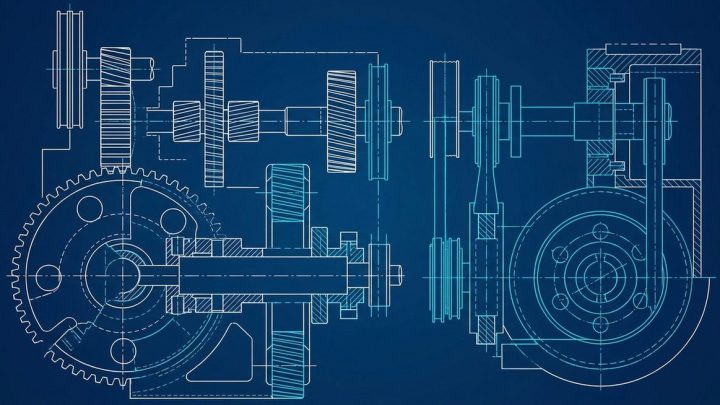
US 8180606
US Patent 8180606: Wide angle substantially non-distorting mirror
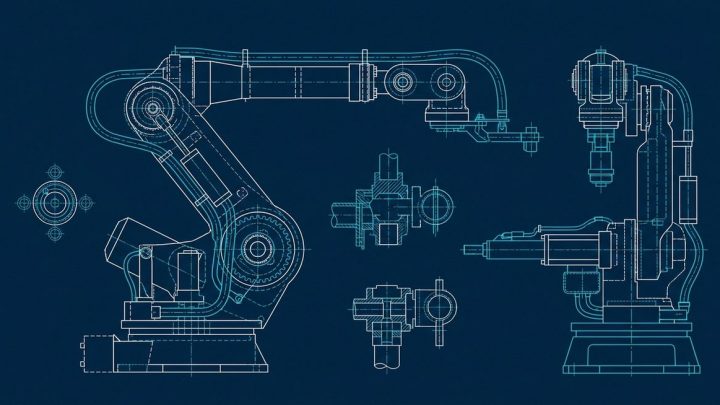
US 8210289
US Patent 8210289: High velocity microbot
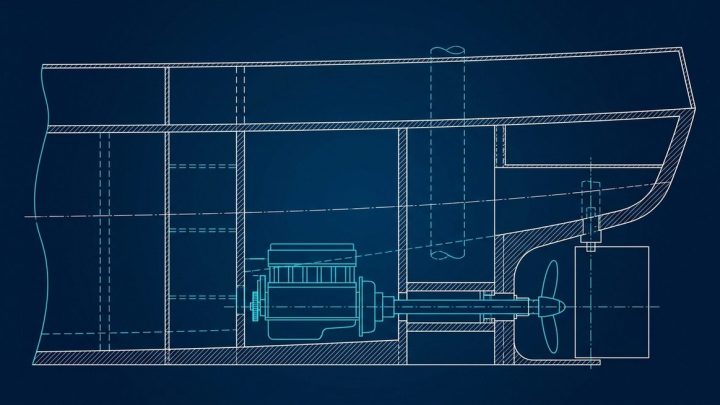
US 8215588
US Patent 8215588: Steering unit for free flying, confined wing…
US 8220530
US Patent 8220530: Electrothermal interface material enhancer
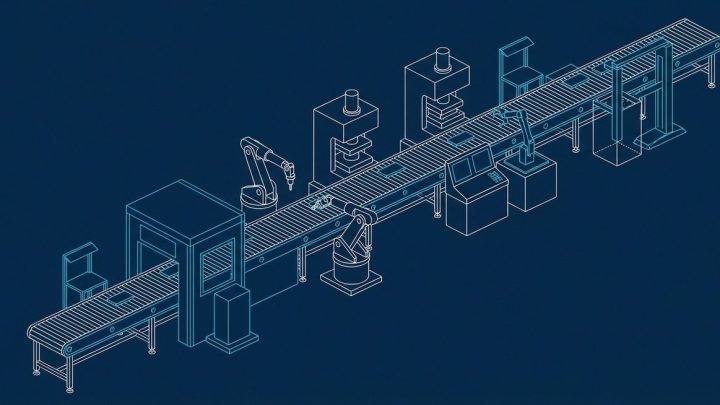
US 8226395
US Patent 8226395: Automated 3D build processes
US 8287794